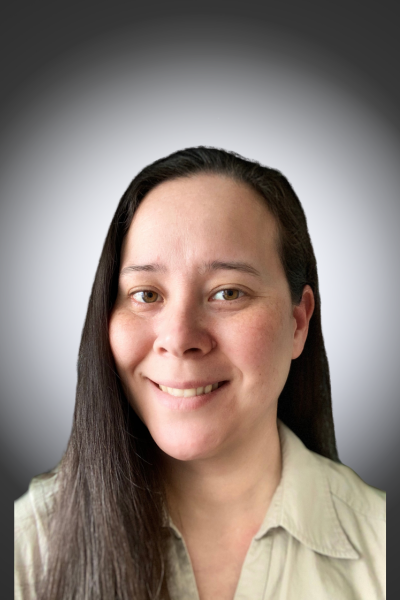
Nurse Practitioner - Jennifer Ying
Get to Know Jennifer
Nurse Practitioners (NP) are post-graduate level trained health care providers who often sub-specialize in various areas of health and wellness. NPs approach health and wellness from a social determinants approach, which encompasses lifestyle, psychology, and medical interventions.
Similar to Primary Care Physicians and Doctors, NPs can autonomously assess, diagnose, treat, and monitor many health conditions and concerns.
In fact, most NPs (including myself) believe in collaborative practice with your regular health care provider and do include them, with your consent, in your care plan to improve access and ensure safe continuity of care.
Despite its inevitable existence for any woman (or biological female) who lives past 60 years of age, menopause is a multifaceted and clinically underappreciated health concern. Private practice NPs who sub-specialize in menopause are able to give adequate time and apply an empathetic clinical approach that will address both the biophysical and psychosocial impacts to one’s quality of life.
I offer a stigma-free and patient centered and individualized approach to menopause from a symptomatic focus. Utilizing a variety of internationally recognized and evidence informed protocols and therapies, my aim is to collaborate with my patients to tailor dynamic care plans with a goal of safe and effective quality of life improvements during this time of middle-age, or medically induced, transition.
Wholistic – The inclusion of the mind-body-soul in all clinical interactions to ensure culturally sensitive and person centered care. While rooted in conventional evidence informed clinical practice, elements of lifestyle, disease prevention, and psychological wellness are integrated into the creation of each patient-unique care plan.
Collaborative – The core of patient centered and individualized care is collaboration with: the patient to ensure they are engaged, informed, and empowered to take charge of their quality of life during this significant life stage; and their primary care clinician to ensure cohesion and continuity in care.
Individualized – Each woman has their own interpretation and understanding of their menopause journey. Utilizing the patient’s unique challenges and concerns ensures that health goals are addressed through a symptom and quality of life focus rather than a clinically driven protocol.
Evidence-Informed – Utilizing proven modalities and established therapies ensures safety and efficacy for each and every patient. All clinical assessments, care plans, treatments, and monitoring are backed by robust clinical research and follow established guidelines of the Canadian and International Menopause Societies among other reputable organizations.
- Skin and Hair changes
- Urinary incontinence and infections
- Vaginal changes
- Cognitive and Mood changes
- Hot flashes and night sweats
- Age-related co-morbidities:
- metabolic disorders
- cardiovascular changes
- bone density reduction
Jennifer Ying
Nurse Practitioner

Your Menopause Journey

Pre-consult Assessment – Upon booking your initial menopause consultation, you will be provided with a lengthy form to complete. This is to ensure we are able to optimize our time together at your Initial Consult session. This form will ask you about your health history, symptoms, challenges, and concerns as they relate to menopause and should be completed well before your Initial Consult, ideally with enough time for me to review and understand your initial concerns.
Initial consult (up to 60min) – In this first appointment, we will meet together to discuss your menopause related symptoms and concerns. A targeted and more detailed health history will be collected to understand you as an individual and your priorities of treatment. Depending on the nature of your concerns, a physical and pelvic exam may also be performed at this session (please do come prepared for this possibility). Additional diagnostic tests and referrals may also be ordered depending on your symptoms and concerns, however many symptoms and treatments do not require diagnostic tests or referrals.
First Follow-up (up to 30min) – If diagnostic tests were ordered at the Initial consult, this is when we will review your results and create your care plan. If treatments were initiated at your Initial Consult, this is when we will do our first review for adverse effects, tolerance, and early benefits.
Additional Follow-up (up to 30min) – At each follow-up session we will review your care plan and treatment response. This is also a great opportunity to bring up any new symptoms, challenges, or concerns to ensure that your journey through the various stages of menopause is as comfortable as possible.
If you have a family doctor who is included in your care plan, a consultation note will be provided to them at the end of each session.
- Specialist referrals may be made depending on the diagnostic workup results and outcomes from each session. These may include but are not limited to: Physiotherapy, Psychotherapy, Gynecology.
Frequently Asked Questions
Nurse Practitioners are not included in public funding models for health care (e.g. OHIP) the same as doctors, pharmacists, or even midwives in some provinces.
-
Without a regular government-funded health care provider,
-
Otherwise unable to connect with a community health care provider in a time of need (after hours, short notice appointments, sooner than their doctor can book them in), or
-
Seeking specialized care with a more wholistic and empathetic approach (i.e. menopause, ADHD & Neurodiversity, gender affirmation, etc.)
- Mild cold and flu symptoms
- Localized/mild rashess
- Stable medication refills
- Mental health issues such as anxiety/depression symptoms
- menopause management
- Sexual health screening and preventative care
- Urinary tract symptoms
- Forms that do not require a physical exam
- Headaches/ear-aches
- Full body rashes
- New medication refills/titration
- Acute mental health issues such as crisis/panic attacks
- Gender affirmation
- Numbness/tingling symptoms
- Moderate-severe cold and flu symptoms
- General pain or minor injury concerns
- Stomach/digestion issues
- Dizziness/Vertigo
- Anything that the provider may not be able to adequately assess without a physical exam or special instrument
- Digital oral thermometer
- Home digital otoscope/ear camera
- Personal use of an automated blood pressure machine
- A digital or wearable health monitor that can assess heart rate and respiratory rate
- Home glucometer (if diabetic or have issues with or taking medication for sugar regulation)
- Home urine test strips that can test for ketones, leukocytes, and blood
- Home INR monitor (if being prescribed warfarin/coumadin)
- Well child visits
- Chest pain
- Shortness of breath
- Prenatal care
- Procedures
- Severe illness or injury
- New/different pain symptoms
- Children with high fever (39C+)
- Anytime the provider is unable to adequately assess the patient
In the case that it is deemed that a health concern cannot be seen through virtual medical consult, clients will be redirected to the most appropriate avenue for care.